
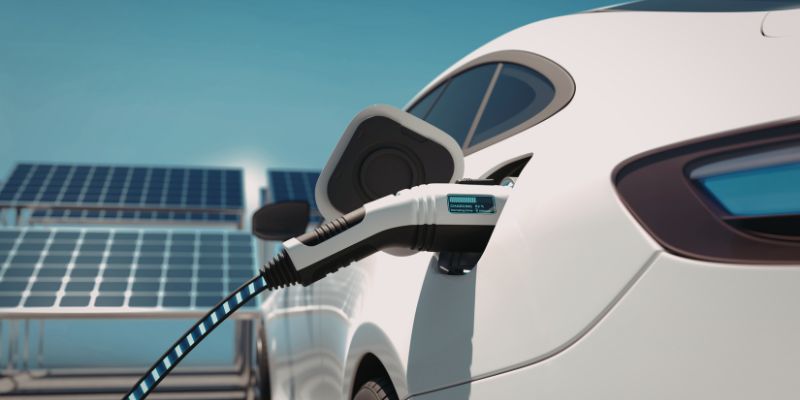
How Do EVs Work?
Electric vehicles are becoming an increasingly common sight on UK roads. From city centres to motorways, more drivers are making the switch away from petrol and diesel. But while their popularity continues to grow, many people still have the same questions: What are electric vehicles? How do EVs work? Are they complicated to own and drive?
If you’re considering making the move to electric, understanding how electric vehicles work can help you feel more confident in your decision. The good news? Although the technology behind EVs is advanced, the way they operate is actually simpler than traditional cars.
In this comprehensive guide, from Hilton Garage, we’ll explain how electric vehicles work in straightforward terms, explore the different types of electric vehicles available, and look at why EVs are becoming a practical choice for everyday driving.
What Are Electric Vehicles? The Basics Explained
Let’s start with the fundamentals: what are electric vehicles?
Electric vehicles (EVs) are cars that use one or more electric motors to drive the wheels. Instead of relying on a petrol or diesel engine that burns fuel, EVs use electricity stored in rechargeable battery packs.
In simple terms, rather than filling up with fuel at a pump, you charge an EV by plugging it into a charging point. The stored electrical energy is then used to power the motor and move the car forward.
The Key Difference between Petrol and Diesel Cars
Traditional vehicles use internal combustion engines. Fuel is burned inside the engine, creating small explosions that generate power to turn the wheels.
Electric vehicles work differently. There’s no combustion and no fuel being burned. Instead, electricity stored in the battery is converted into motion by an electric motor. This means:
No tailpipe emissions in fully electric cars
Fewer moving parts
Smoother and quieter driving
The Main Components That Make EVs Work
Although EVs may sound complex, their core components are straightforward:
Battery Pack
Think of the battery pack like a much larger version of your phone battery. It stores electrical energy and is usually positioned under the floor of the vehicle. Most modern EVs use lithium-ion batteries, which are designed to be efficient, long-lasting, and rechargeable.
Electric Motor
The motor converts electrical energy into mechanical energy. In other words, it turns electricity into movement. Some EVs have a single motor, while others have two for improved performance and traction.
Power Inverter
Batteries store electricity as direct current (DC), but electric motors typically use alternating current (AC). The inverter converts DC power from the battery into AC power for the motor.
Onboard Charger
When you plug your EV into a charging point, the onboard charger converts AC electricity from the grid into DC so it can be stored in the battery.
Regenerative Braking System
This clever system recovers energy when you slow down. Instead of wasting energy as heat (like traditional brakes do), the motor works in reverse to generate electricity and send it back to the battery.
Together, these components answer the question many drivers ask: how do EVs work? They store electricity, convert it efficiently into motion, and even recover energy while driving.
If you’d like to learn more about charging specifically, see our Are Electric Cars Cheaper to Run? article for a deeper look at how and where to power up.
Types of Electric Vehicles – Which One Is Right for You?
When exploring electric vehicles, it’s important to understand that not all EVs are the same. There are different types of electric vehicles, each offering varying levels of electrification.
1. Battery Electric Vehicles (BEVs)
Battery electric vehicles are fully electric. They have:
No petrol or diesel engine
No exhaust pipe
Zero tailpipe emissions
They are powered entirely by a rechargeable battery. Once charged, they can typically travel between 150 and 300+ miles, depending on the model.
Examples include:
Best for: Drivers who are ready to fully commit to electric, especially those with access to home charging and who drive in urban or suburban areas.
When people ask “how do electric vehicles work?” they’re often referring to BEVs, as they represent the purest form of electric driving.
2. Plug-in Hybrid Electric Vehicles (PHEVs)
Plug-in hybrid electric vehicles combine an electric motor with a petrol engine.
They can:
Drive on electric-only power for shorter distances (usually 20–50 miles)
Switch automatically to petrol for longer journeys
Be charged via a plug, just like a BEV
Examples include:
Best for: Drivers transitioning to electric, those without consistent access to charging, or anyone who regularly takes long motorway journeys.
PHEVs are often seen as a stepping stone between petrol and fully electric driving.
3. Hybrid Electric Vehicles (HEVs)
Hybrid electric vehicles also combine petrol and electric power, but they cannot be plugged in.
Instead, the battery charges through regenerative braking and the petrol engine itself.
Examples include:
Best for: Drivers who want improved fuel efficiency without needing to install a home charger.
While all three fall under the umbrella of types of electric vehicles, this guide focuses primarily on BEVs and PHEVs, as these can be charged externally and offer a more significant shift toward electric driving.
If you’re considering making the switch, you can browse electric vehicles in our current stock or explore our plug-in hybrid cars for sale to find the right fit for your lifestyle.
How Do Electric Vehicles Work? The Driving Experience
Understanding how electric vehicles work technically is helpful, but what really matters is how they feel to drive.
Starting and Acceleration
There’s no traditional engine start-up noise. You press the power button, and the car is ready.
When you press the accelerator:
The battery sends electricity to the motor.
The motor instantly produces torque.
The wheels turn smoothly and quietly.
Most EVs use a single-speed transmission, so there are no gear changes. This creates seamless acceleration and a refined driving experience.
Energy Efficiency
One of the biggest advantages of EVs is efficiency.
Petrol engines convert only around 20–30% of fuel energy into motion. Electric motors convert approximately 85–90% of electrical energy into movement. That’s a significant difference.
When accelerating, energy flows from the battery to the motor. When braking, the flow reverses, thanks to regenerative braking.
Regenerative Braking
When you lift off the accelerator or apply the brakes, the electric motor acts as a generator. It converts movement back into electricity and sends it to the battery.
This:
Extends driving range
Reduces brake wear
Allows many drivers to use “one-pedal driving”
It’s an excellent example of EVs that work differently from traditional cars.
Charging
Charging is often the biggest concern for potential buyers.
You can charge an EV using:
A home wallbox charger
Public charging points
Rapid chargers on motorways
Most drivers charge overnight at home, waking up to a full battery each morning. Rapid chargers can add significant range in as little as 20–30 minutes.
For a detailed look at running costs, you may also want to read our guide on whether electric cars are cheaper to run.
Range and Practicality
Modern EVs typically offer between 150 and 300+ miles per charge. Actual range depends on:
Driving style
Speed
Weather conditions
Use of heating or air conditioning
For many UK drivers, daily mileage is well within modern EV capabilities.
Ready to Go Electric?
By now, the answer to how electric vehicles work should feel much clearer.
EVs convert stored electrical energy into motion using highly efficient electric motors and advanced battery technology. There’s no fuel combustion, fewer moving parts, and a smoother, quieter driving experience.
We’ve also explored the different types of electric vehicles:
BEVs for fully electric driving
PHEVs for flexibility
HEVs for improved efficiency without plugging in
While the technology behind EVs is sophisticated, the experience of driving one is actually simpler and more intuitive than many traditional cars.
If you’re curious about making the switch, the best way to understand how electric vehicles work is to experience one for yourself.
At Hilton Garage, we offer a carefully selected range of electric and hybrid vehicles to suit different lifestyles and budgets. Whether you’re ready to go fully electric or exploring your options, our team is here to help.
Book a test drive, browse our current electric stock, or get in touch with any questions you may have.
The future of driving is electric – and it’s more accessible than you might think.